
Time & Tide

10 June 2026
The North Atlantic Arc Home
|
June is bustin' out all over....... |
| S | M | T | W | T | F | S |
| 3 | 4 | 5 | 6 | |||
| 7 | 8 | 9 | 10 | 11 | 12 | 13 |
| 14 | 15 | 16 | 17 | 18 | 19 | 20 |
| 21 | 22 | 23 | 24 | 25 | 26 | 27 |

|
|
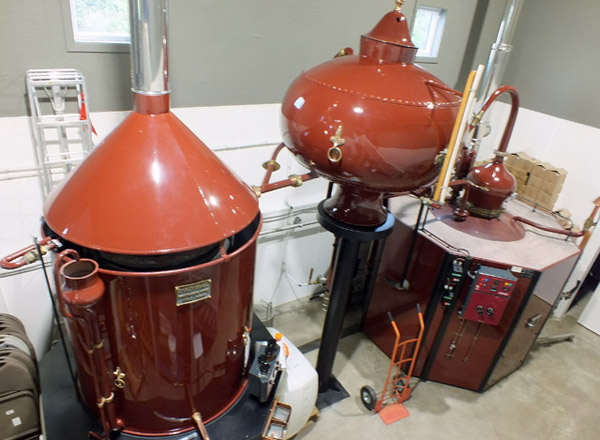
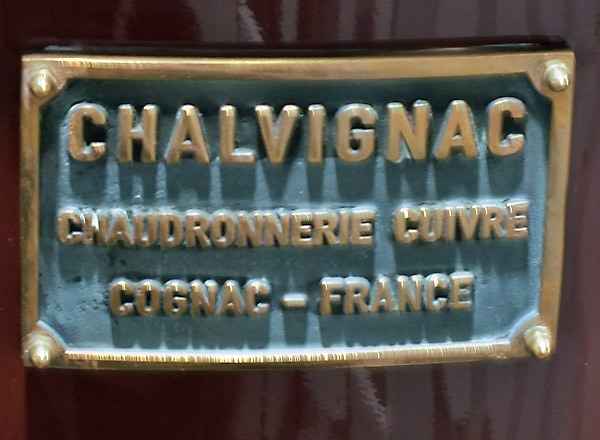
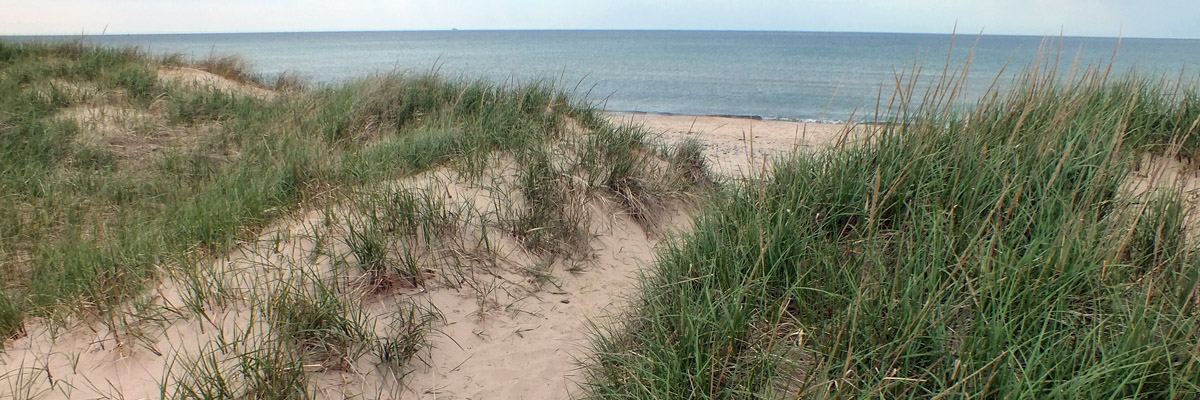
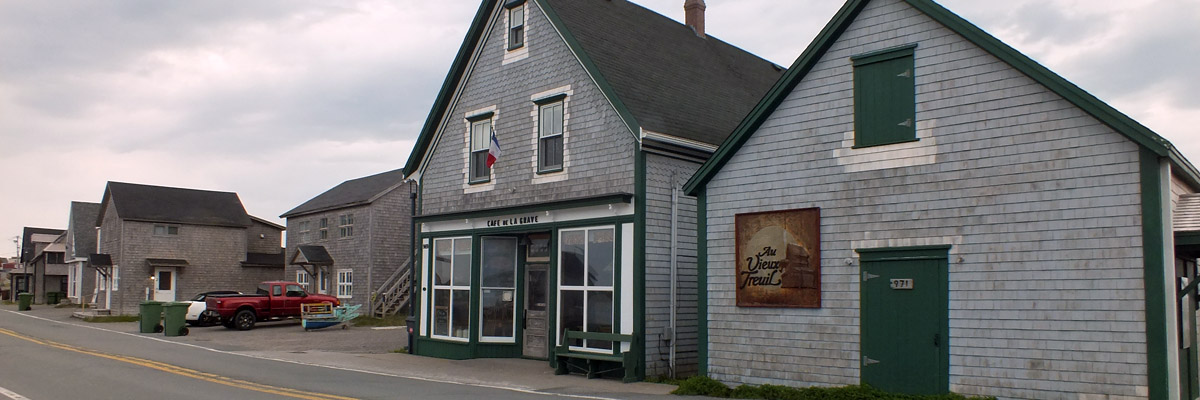
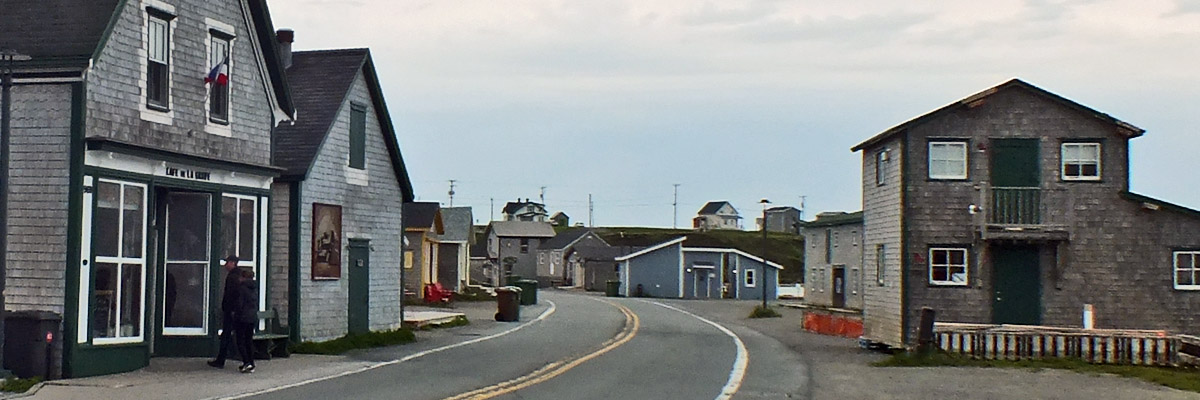
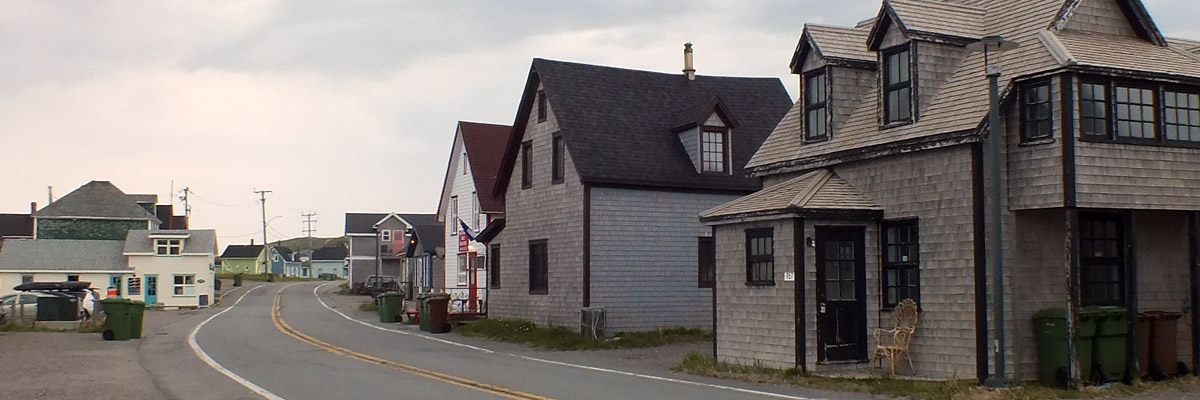
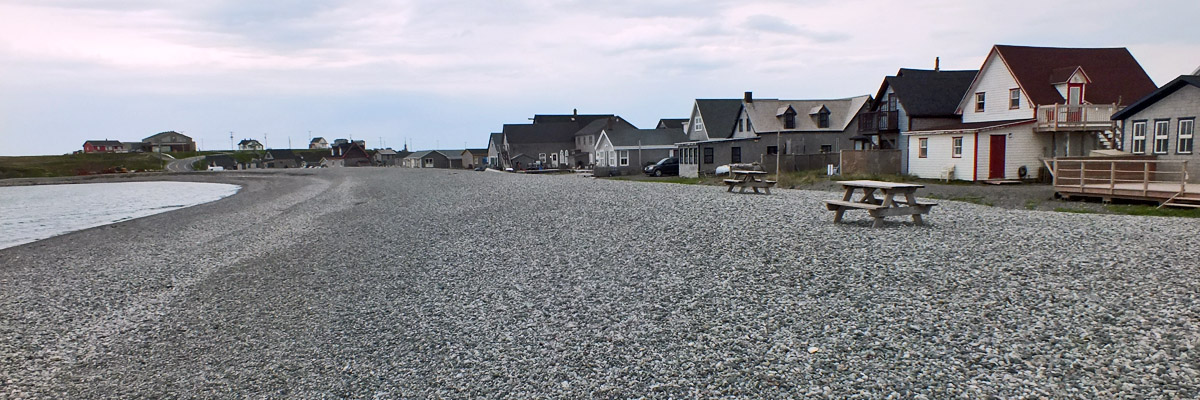
Wednesday 10 June 2026--L'Île du Havre-Aubert's hilly interior is mostly wooded, the largest such expanse in the Magdalens. I drive partway up Chemin de la Montagne toward the hamlet of La Petite-Montagne this morning, turning onto Chemin du P'tit Bois, where I find Verger Poméloi. Éloi Vigneau established an experimental orchard here in the 1990s. A chance encounter with a Breton sailor named Bruno Belli led to the foundation of a cidrerie in 2008. More recently, the purchase of an alembic still, built by the venerable Charenteau company in France's Cognac region, has led to the production of apple brandy and related products. I have a chat with one of Éloi's sons, who is happy to talk about process with a distillery nerd, and show off his beautiful still. He invites me to take a stroll in the orchard, but it's raining at the moment, so I pass--I'm going to regret that. I buy two bottles of brandy and one of sparkling cider, and go on my way. It's easy to forget where you are up in the woods, but you can't drive far before encountering a more typical Madelinot landscape. Shortly I am strolling on Plage de la Dune-de-l'Ouest. This beach forms the western boundary of Havre-aux-Basques, the large lagoon between Île du Cap-aux-Meules in the north and Île du Havre-Aubert in the south, with Plage de La Martinique forming the eastern edge. One might walk the seven miles up the Dune-de-l'Ouest to Île du Cap-aux-Meules, but for a break in the dune called Le Goulet--the gullet--a mile and three quarters north. It's the only inlet to the lagoon. I have some thoughts about walking up to see it, but a half-mile stretch of beach is enough today. A large part of the population of Île du Havre-Aubert lives in the villages of Anse-à-la-Cabane and Bassin, strung out along the road that runs parallel to the island's south shore, the wooded slopes above and the cliffs below. I turn down the road leading to the Phare de l'Anse-à-la-Cabane, the second light built in the Magdalens, and the oldest still standing. The road used to continue along above the cliffs to the east, rejoining Chemin du Bassin a mile and a half further on, but a good stretch of it has been lost to erosion. I turn back the way I came to the main road, and continue on back to my room. I make the short walk down to La Grave to look for dinner. I've chosen to stay down here because I really like the Café de la Grave, but it's not open tonight. Effet Mer looks okay, but it's small, and full up when I check in. Go for a walk on the beach, which has always been pebbly, but seems much rockier now. And so it is: like the beach at Percé in La Gaspésie, it has been fortified with gravel, in a bid to keep La Grave's narrow peninsula from being washed away in a storm. Unlike in Percé, where good hard stone could be quarried locally, the gravel here had to be shipped in, from Newfoundland. Effet Mer has a seat for me when I return, and I enjoy fish and chips before walking back up the hill to my room. A couple of beers and a spot of apple brandy see me off to bed. Next |
L'Île-du-Havre-Aubert
 |
Verger Poméloi
 |
Verger Poméloi
 |
 |
Still
 |
Island Interior
 |
Baie du Havre aux Basques
 |
To The Beach
 |
Accès à la Plage
 |
Plage de la Dune-de-l'Ouest
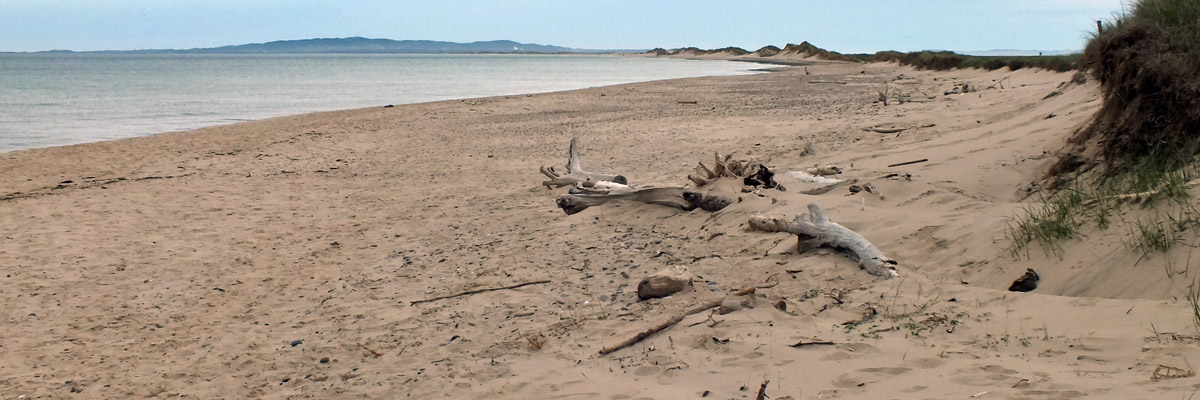 |
Plage de la Dune-de-l'Ouest
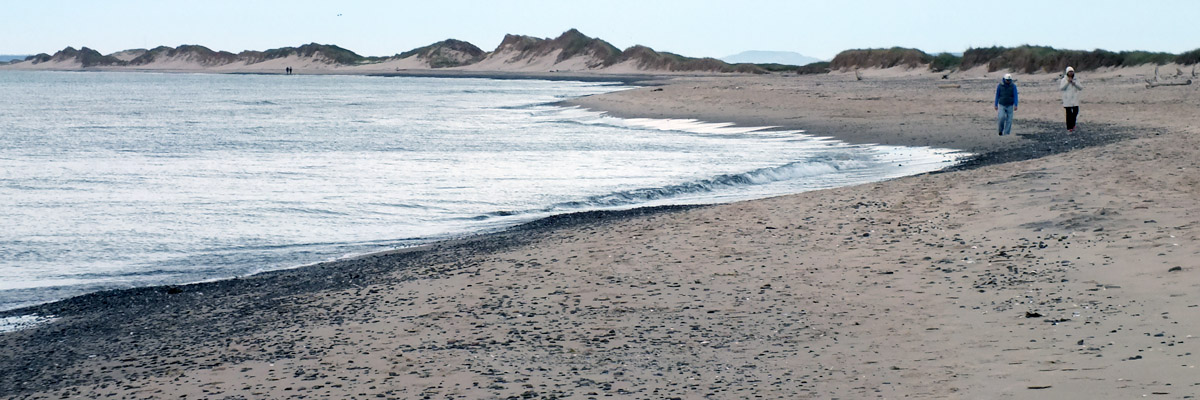 |
Plage de la Dune-de-l'Ouest
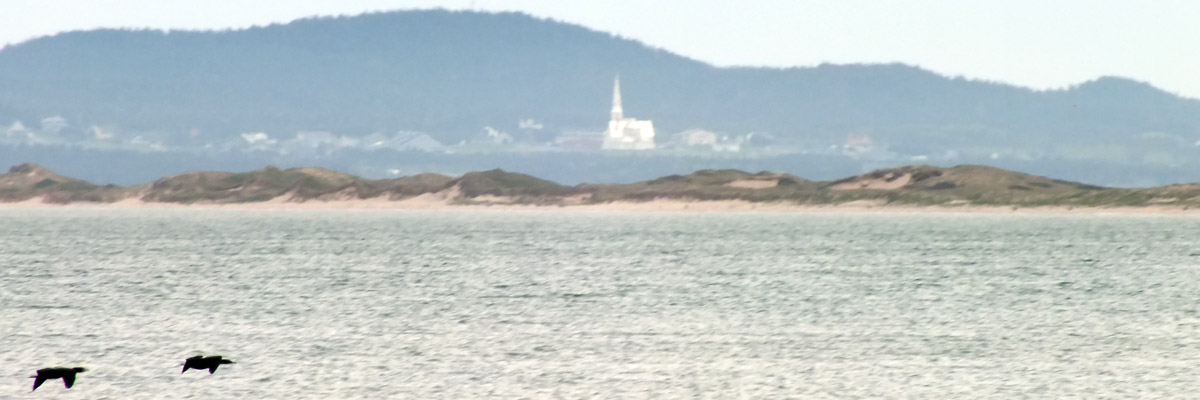 |
L'Étang-du-Nord
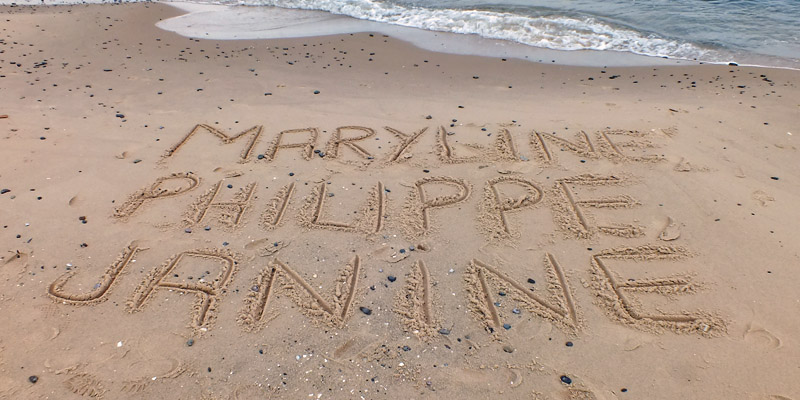 |
Philippe is a popular guy
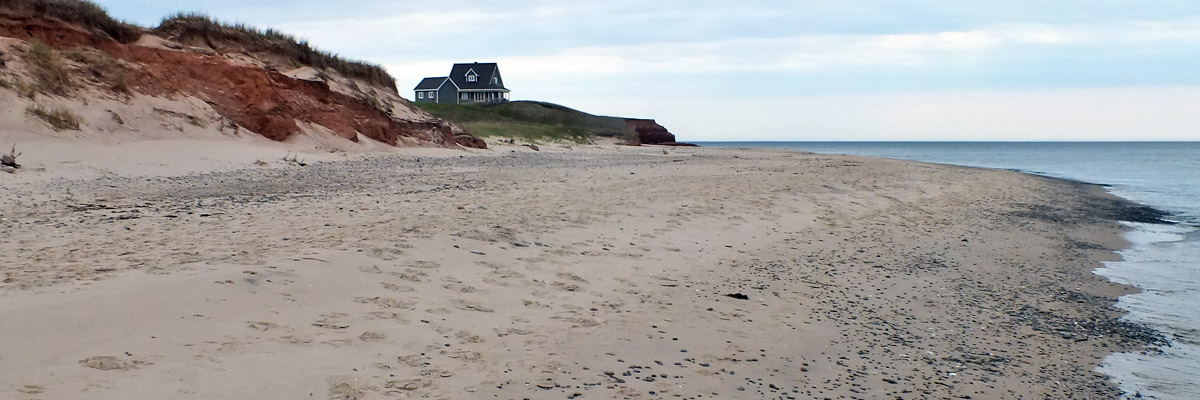 |
Plage de la Dune-de-l'Ouest
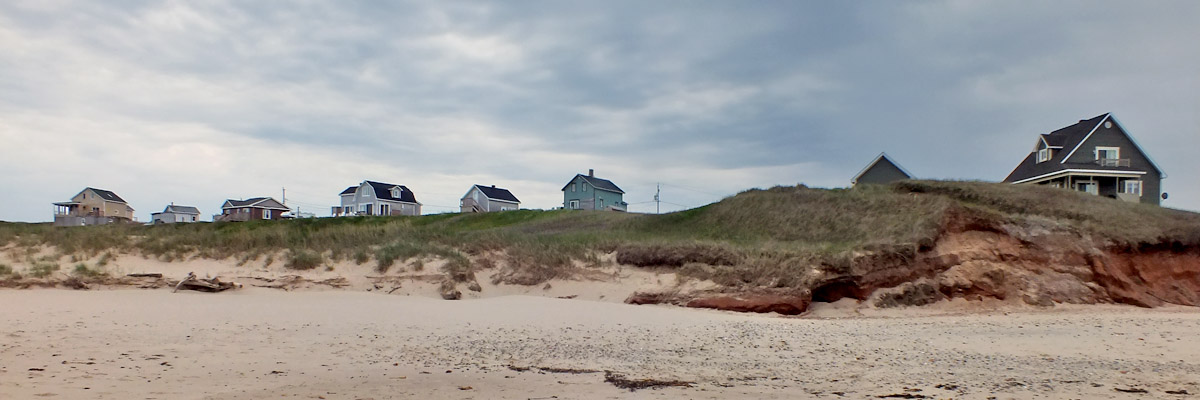 |
Plage de la Dune-de-l'Ouest
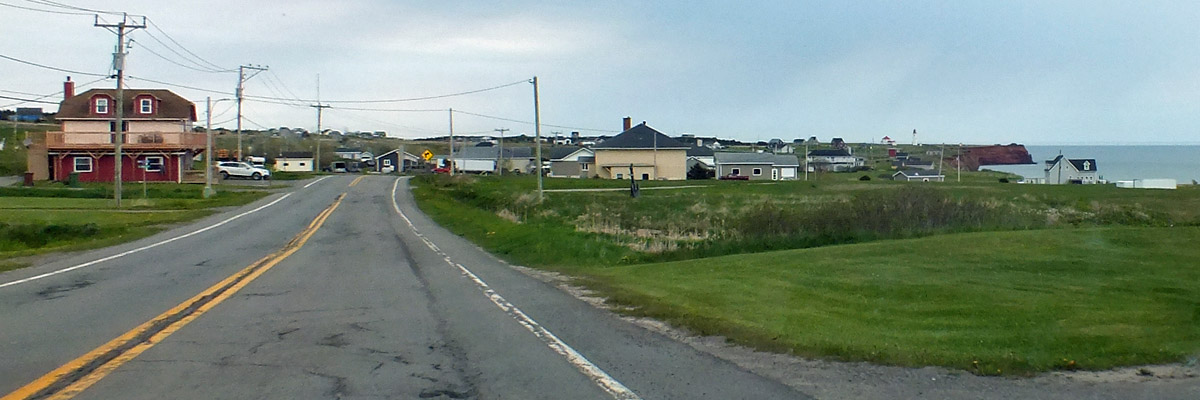 |
Anse-à-la-Cabane
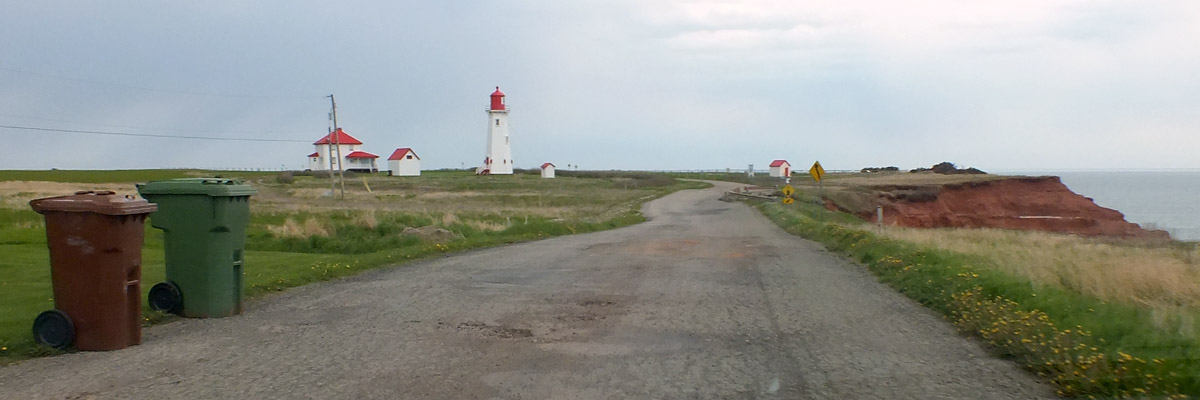 |
Trash Day
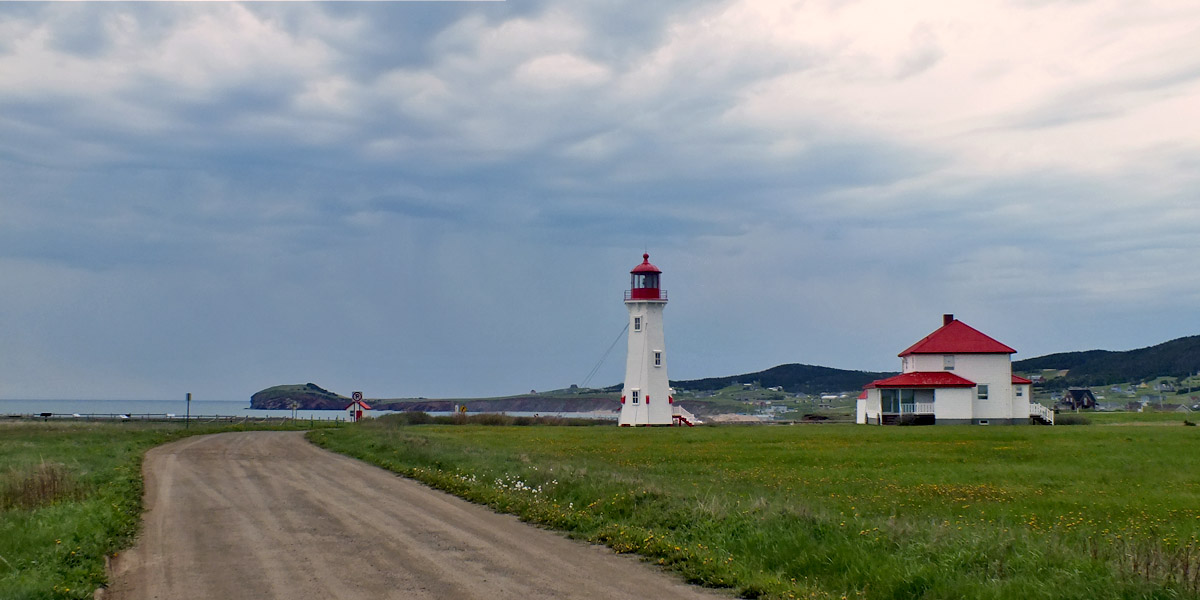 |
Phare de l'Anse-à-la-Cabane
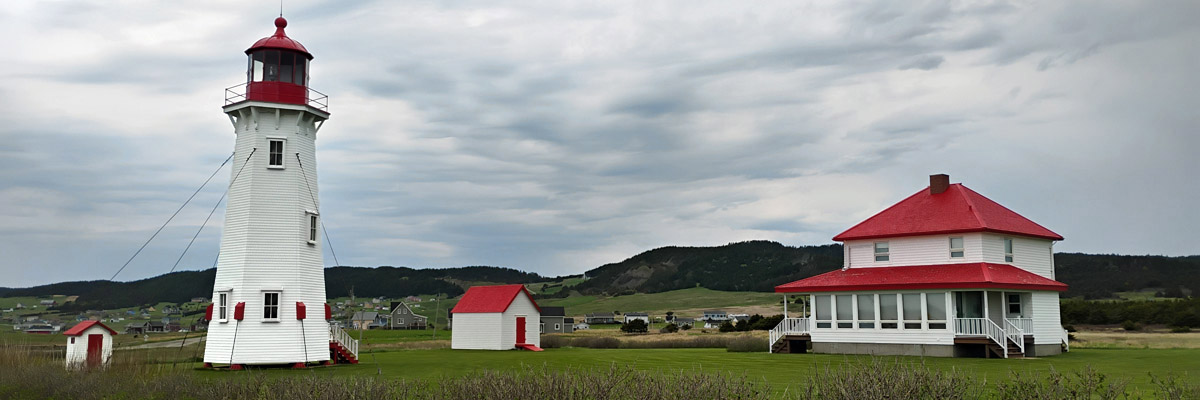 |
Phare de l'Anse-à-la-Cabane
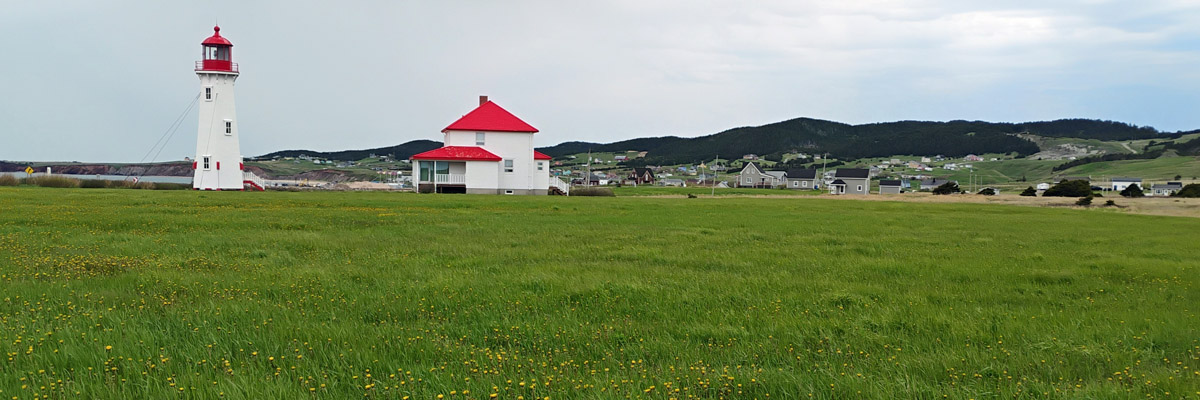 |
Phare de l'Anse-à-la-Cabane
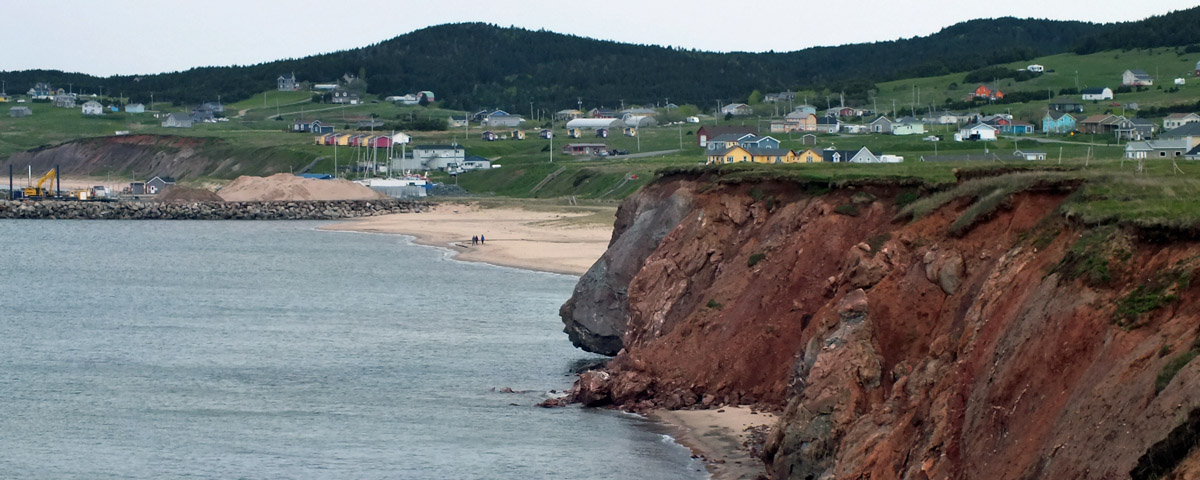 |
Anse-à-la-Cabane
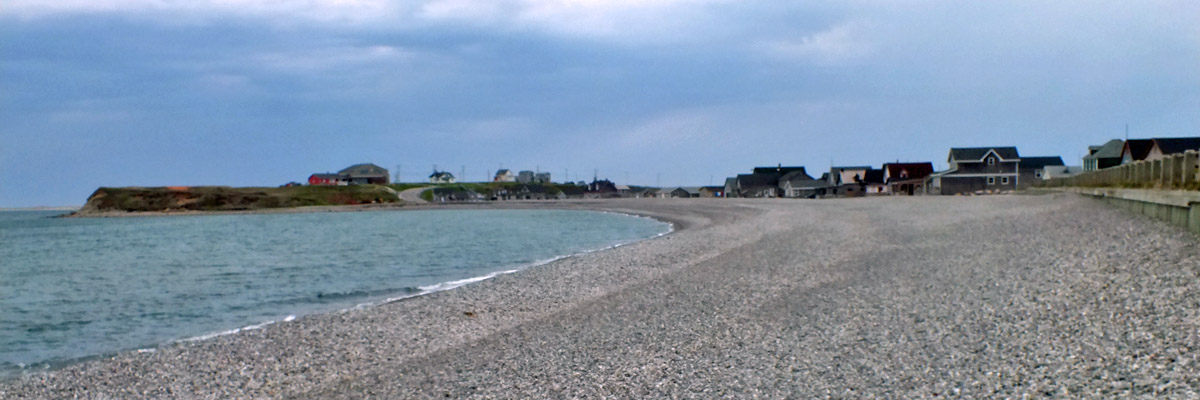 |
La Grave
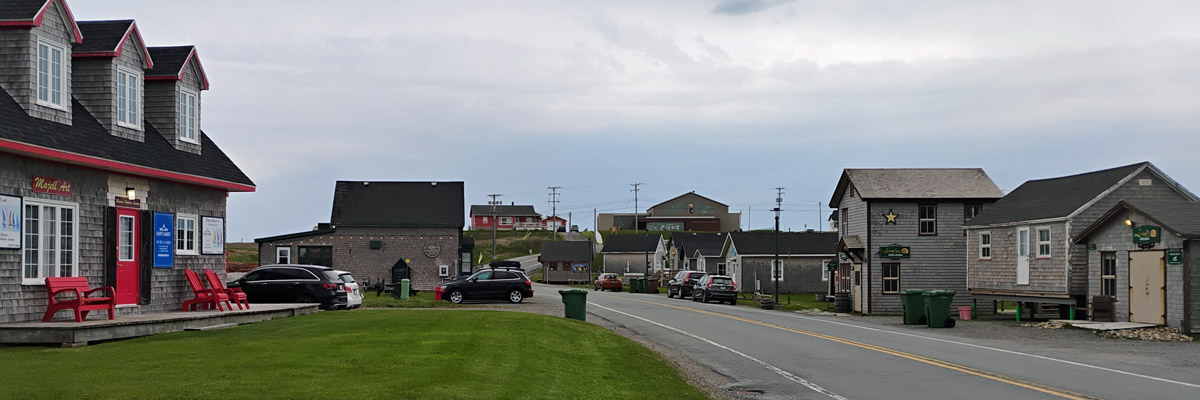 |
La Grave
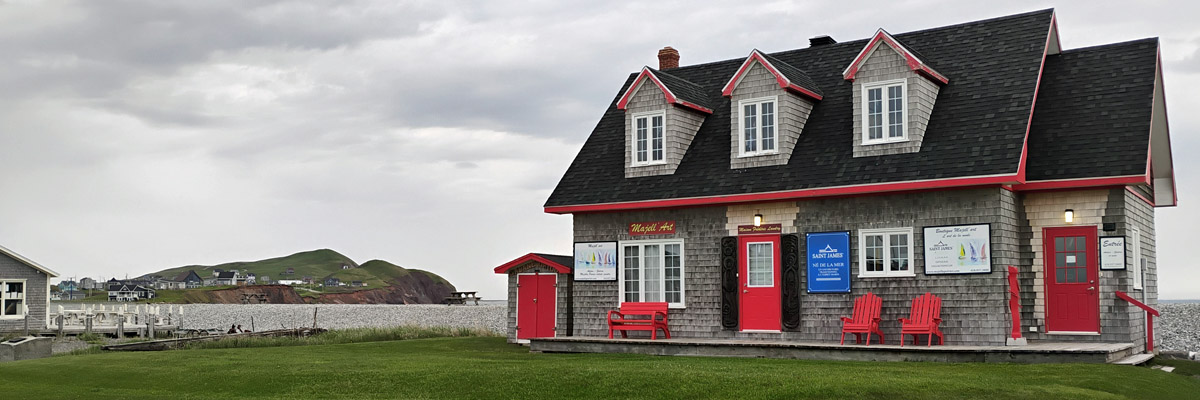 |
La Grave
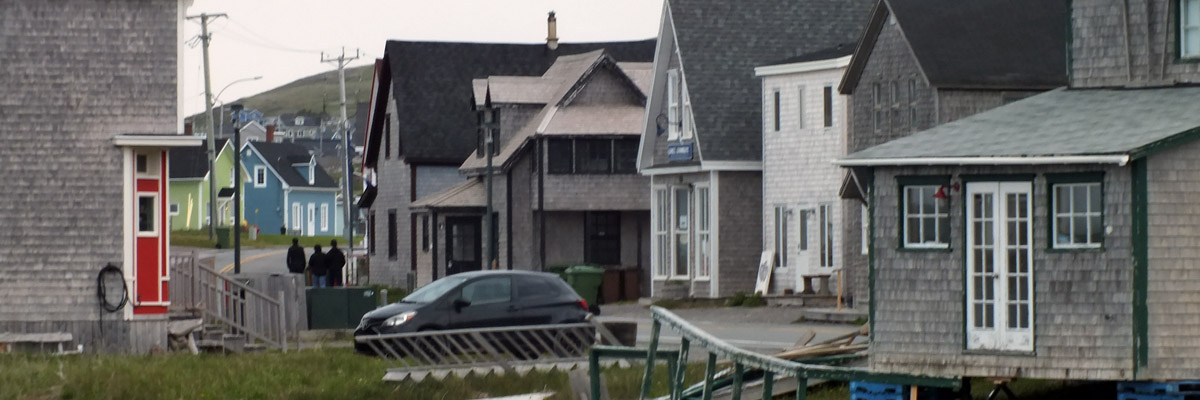 |
La Grave
 |
Café de La Grave
 |
La Grave
 |
La Grave
 |
La Grave
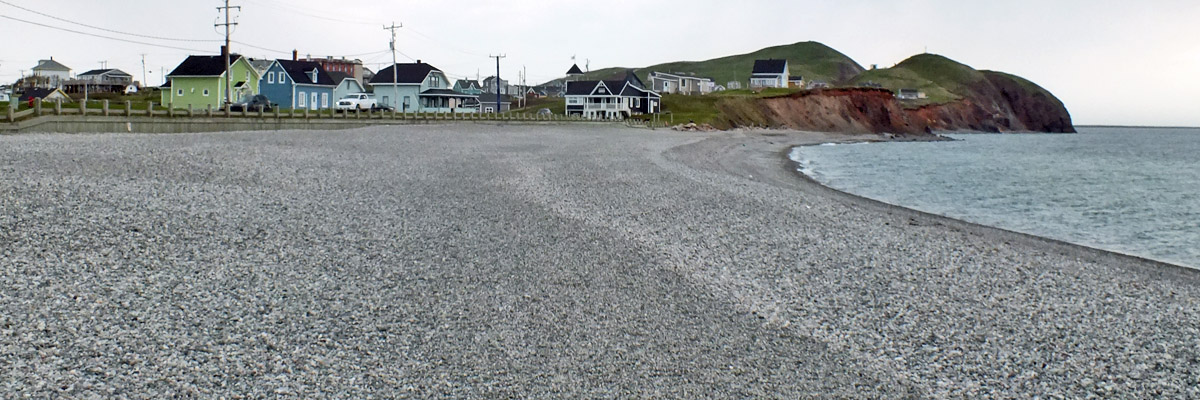 |
La Grave
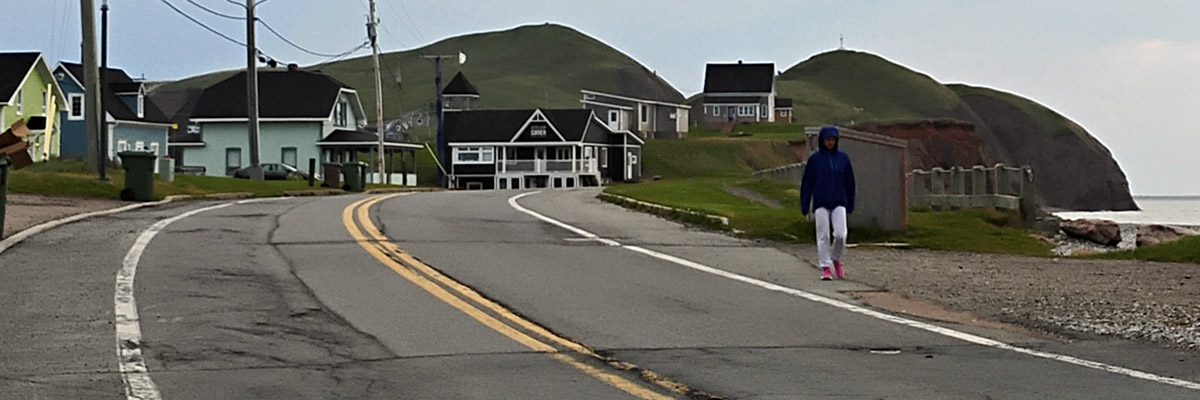 |
Les Demoiselles
Next
|
Juneeeeeeeeeeeeeeeeeeeeeee |
| S | M | T | W | T | F | S |
| 3 | 4 | 5 | 6 | |||
| 7 | 8 | 9 | 10 | 11 | 12 | 13 |
| 14 | 15 | 16 | 17 | 18 | 19 | 20 |
| 21 | 22 | 23 | 24 | 25 | 26 | 27 |
The North Atlantic Arc Home
Mr Tattie Heid's Mileage
Results may vary
MrTattieHeid1954@gmail.com